Hyphae Design Laboratory contributed to the planting design in a controlled, community-based clinical trial to evaluate the effects of increasing greenery on community health. Data & community led greening to reduce urban air pollution and improve human health are core principles in all Hyphae Design Laboratory projects. The Green Heart project set out to examine the effects of urban greening in cardiovascular health. The study, based in a residential area in Louisville, Kentucky, tracked community member's health before and after greening interventions. Community input and direct involvement with members was crucial throughout the project. Air pollutants were also tracked for changes in the study area, including ultrafine particles, ozone, and nitrogen oxides.
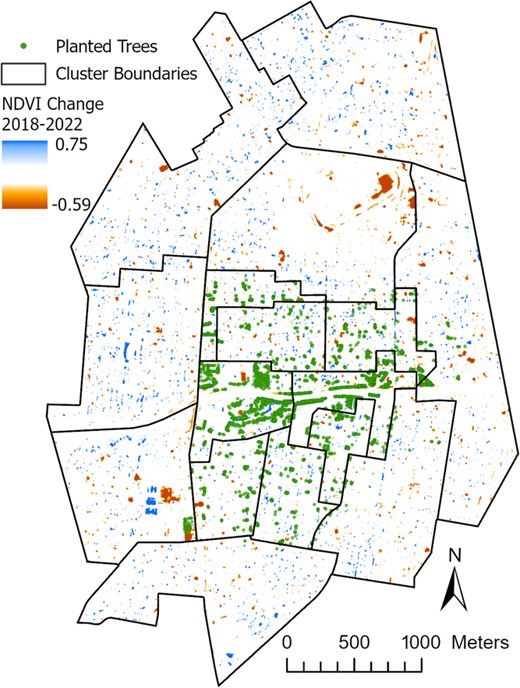
The design considered variables including community and residential choices, soil characteristics, traffic density, codes, setbacks, signage visibility, and pedestrian safety. Hyphae oversaw the planting of 8,000 trees in areas identified as optimal locations for maximizing air pollution reduction. The study continues to be an ongoing effort to track long-term changes in human health as a result of the tree interventions.

Hyphae Design Laboratory contributed to the planting design in a controlled, community-based clinical trial to evaluate the effects of increasing greenery on community health. Data & community led greening to reduce urban air pollution and improve human health are core principles in all Hyphae Design Laboratory projects. The Green Heart project set out to examine the effects of urban greening in cardiovascular health. The study, based in a residential area in Louisville, Kentucky, tracked community member's health before and after greening interventions. Community input and direct involvement with members was crucial throughout the project. Air pollutants were also tracked for changes in the study area, including ultrafine particles, ozone, and nitrogen oxides.
The design considered variables including community and residential choices, soil characteristics, traffic density, codes, setbacks, signage visibility, and pedestrian safety. Hyphae oversaw the planting of 8,000 trees in areas identified as optimal locations for maximizing air pollution reduction. The study continues to be an ongoing effort to track long-term changes in human health as a result of the tree interventions.

Hyphae Design Laboratory contributed to the planting design in a controlled, community-based clinical trial to evaluate the effects of increasing greenery on community health. Data & community led greening to reduce urban air pollution and improve human health are core principles in all Hyphae Design Laboratory projects. The Green Heart project set out to examine the effects of urban greening in cardiovascular health. The study, based in a residential area in Louisville, Kentucky, tracked community member's health before and after greening interventions. Community input and direct involvement with members was crucial throughout the project. Air pollutants were also tracked for changes in the study area, including ultrafine particles, ozone, and nitrogen oxides.
The design considered variables including community and residential choices, soil characteristics, traffic density, codes, setbacks, signage visibility, and pedestrian safety. Hyphae oversaw the planting of 8,000 trees in areas identified as optimal locations for maximizing air pollution reduction. The study continues to be an ongoing effort to track long-term changes in human health as a result of the tree interventions.

